

-
5584
-
3576
-
3301
-
3159
-
2814
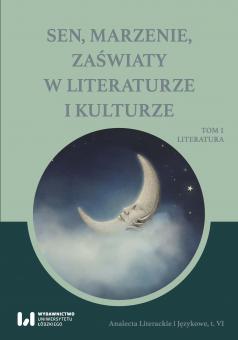
Somnambulik czy heros? Motyw snu/jawy w baśni młodopolskiej
Beata Marcinowska
Uniwersytet Opolski
Strony:
77-83
Słowa kluczowe:
sny i wizje, marzenia senne, oniryczne inspiracje, oniryzm, mistycyzm, zaświaty, sąd Boży
Opublikowane:
29 sierpnia 2017
Kategorie:
Filologia polska
The subject of lecture includes onirism — the important topic during the Young Poland period.
The author is trying to present the phenomenon of sleep, sleepwalking and dreams on the basis of the
achievements of philosophers such as Nietzsche or Schopenhauer. Also it is worth mentioning that the
difference between the dream and the daydream which — are often treated as synonymous and similar
concepts. There can be given many exemples of fairy tales, including an element of dramating, from the
epoch of Young Poland, e.g. ‘The Drowned Kingdom” in which is a boy, the main character, who has
sleepy dreams. Afterwards, when he it the story of imprisoned princess, which is told by his grandfather
and additional, which is a metaphor of captive Polish the child is going to decide to release the princess.
When he was dreaming he goes to another land, where he meets magical creatures, which help him to
overcome their weaknesses and also to find the princess. But at the crucial moment the boy suffered
pride and he missed a chance of freedom. He wakes up crestfallen and defeated. He realised that he is
only a child who cannot lead to the liberation of the country. He wanted to do something that for adult
people were too much and they did not have courage, but he forgot that saving the kingdom is not his
role. The situation is perfectly illustrated by Nietzsche’s dictum, which is the poor self that is the finest
enemy of man to achieve heroic deed. The author comes to the conclusion that there is no clear boundary
between dream and reality. The dream of Young Poland’s fairytale hero is not only the other side of reality,
but this is to delve into reality, it is created from matter, build by it.
Prawa autorskie (c) 2017 © Copyright by Authors, Łódź 2017; © Copyright by for this edition by Uniwersytet Łódzki, Łódź 2017
Licencja
LicencjaDyscypliny
- Archeologia
- Bibliologia i informatologia
- Biologia
- Chemia
- Ekonomia i zarządzanie
- Etnologia i antropologia kulturowa
- Filologia polska
- Filologie obce
- Filozofia
- Fizyka
- Geografia
- Historia
- Językoznawstwo
- Judaica
- Kultura i sztuka
- Literaturoznawstwo
- Matematyka
- Pedagogika
- Podręczniki dla cudzoziemców
- Politologia i stosunki międzynarodowe
- Prawo
- Psychologia
- Socjologia
- Varia
- Otwarty dostęp
Seria
- 100 lat niepodległości
- Akademia Samorządowa
- Akademia Zarządzania i Finansów
- Aktywni (nie)pełnosprawni
- Analecta Literackie i Językowe
- Bałkany XX/XXI
- Bibliotheca Litteraria
- Bibliotheca Philosophica
- Biografia i Badanie Biografii
- Byzantina Lodziensia
- Contemporary Asian Studies Series
- Cyfryzacja
- Edukacja dla Mądrości
- Ekonomia
- Filmo!znawcy
- Finanse
- Gerontologia
- Interdyscyplinarne Studia Miejskie
- Interpretacje Literackie
- Jerzy Giedroyc i…
- Jerzy Giedroyc i Świadkowie Historii
- Jesień Życia?
- Językoznawstwo
- Judaica Łódzkie
- Jurysprudencja
- Kim Jest Człowiek?
- Kognitywistyka
- Komunikacja i Media
- Krótkie Wprowadzenie
- Kultura Literacka Łodzi
- Literaturoznawstwo. Sylwetki
- Łódzkie Studia z Językoznawstwa Angielskiego i Ogólnego
- Łódź w PRL. PRL w Łodzi
- Manufactura Hispánica Lodziense
- Marketing
- Monografie Sekcji Socjologii Niepełnosprawności PTS
- Nauka Sztuki – Sztuka Nauki
- Neuronauka w psychologii
- Oblicza feminizmu
- Oblicza wojny
- Perspektywy Biograficzne
- Politologia
- Polska a Europa Środkowo-Wschodnia w XX wieku
- Polska Kultura Filmowa
- Prawo
- PRL. Biografie
- Projekt: Egzystencja i Literatura
- Psychologia Wszystkiego
- Research on Science & Natural Philosophy
- Romanistyka dla Teatru
- Series Ceranea
- Stała Konferencja Pedagogiki Społecznej pod Patronatem Komitetu Nauk Pedagogicznych PAN
- Sztuka-Media-Kultura
- Terapia Pedagogiczna
- Twórczość i Edukacja
- Vade Nobiscum
- Warsztaty z Geografii Turyzmu
- Wczesna Edukacja
- W poszukiwaniu idei XXI wieku
- W Wieży Babel po polsku
- Zarządzanie
- Życie prywatne Polaków w XIX wieku