

-
3593
-
3355
-
3122
-
2980
-
2553
„Nosce te ipsum” — wprowadzenie do tomu studiów
Monika Urbańska
Uniwersytet Łódzki, Wydział Filologiczny, Instytut Filologii Polskiej i Logopedii, Zakład Literatury Dawnej, Edytorstwa i Nauk Pomocniczych
https://orcid.org/0000-0002-7965-8547 (unauthenticated)
Publikacja:
Strony:
7-14
Słowa kluczowe:
lustro, literatura polska
Opublikowane:
30 grudnia 2020
Kategorie:
Filologia polska, Otwarty dostęp
Pliki do pobrania
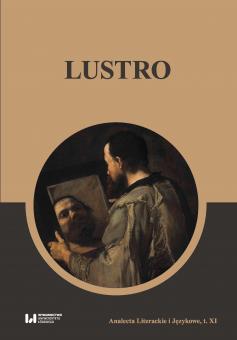
The introduction to the MIRROR study shows the etymology of the term in different languages (Polish, French, Latin, Greek) and its meaning in different cultures. The mirror is a symbol that can be read on many levels. In interdisciplinary discourse, the mirror functions not only as an object — it is also a symbol of internal reckoning and self-knowledge. In Lacan’s theory, a mirror is a kind of landmark for a child, designating them as a being separate from the environment and controlling their previously disintegrated body. Mirrors on a massive scale were manufactured at the beginning of the 15th century, but they belonged to luxury goods reserved for decorating palaces. Mirror often appeared in folk beliefs, literature and art. In Greek mythology, it was an attribute of Aphrodite — the goddess of beauty, it also became the cause of the misfortune of Narcissus. This subject also inspired painters. In seventeenth-century Europe, the penchant for mirrors was established in interior architecture, painting, philosophy and literature. Contemporary architecture uses a mirror as an important element in creating light and space, as well as a decorative detail that adds modernity. Today, the mirror is still fascinating, installations are exposing the mirror surfaces all over the world. The volume on the MIRROR motif includes articles by seven researchers in literature, language and culture, showing the issue of self-recognition in contact with a mirror prop throughout the ages. As a symbol, the mirror appears, among others, in the context of translation, language, communication codes and persuasion. Interestingly, also elements of nature designed by people of different eras can be read as mirrors reflecting the features of their owners and times.
Monika Urbańska - Uniwersytet Łódzki, Wydział Filologiczny, Instytut Filologii Polskiej i Logopedii, Zakład Literatury Dawnej, Edytorstwa i Nauk Pomocniczych
adiunkt w Zakładzie Literatury Dawnej, Edytorstwa i Nauk Pomocniczych w Instytucie Filologii Polskiej i Logopedii na Wydziale Filologicznym Uniwersytetu Łódzkiego; ul. Pomorska 171/173, 90-236 Łódź; email: monika.urbanska@uni.lodz.pl. Autorka książek: Utwory prozatorskie na łamach „Zabaw Przyjemnych i Pożytecznych”. Wybór. Edycja krytyczna ze wstępem (Łódź 2006), „Udawać do końca” — „Dziennik” Jana Lechonia jako świadectwo (Łódź 2010); edycji: Anna Mostowska, Powieści, listy (Łódź 2014), Jan Brzechwa, Wiersze polityczne (wraz z J. Podwysocką-Modrzejewską, Łódź 2019), jak również kilkudziesięciu artykułów skupionych wokół edytorstwa naukowego oraz poezji XX wieku, szczególnie twórczości J. Lechonia.
Prawa autorskie (c) 2020 © Copyright by Authors, Łódź 2020; © Copyright for this edition by Uniwersytet Łódzki, Łódź 2020
Licencja

Utwór dostępny jest na licencji Creative Commons Uznanie autorstwa – Użycie niekomercyjne – Bez utworów zależnych 4.0 Międzynarodowe.
Dyscypliny
- Archeologia
- Bibliologia i informatologia
- Biologia
- Chemia
- Ekonomia i zarządzanie
- Etnologia i antropologia kulturowa
- Filologia polska
- Filologie obce
- Filozofia
- Fizyka
- Geografia
- Historia
- Językoznawstwo
- Judaica
- Kultura i sztuka
- Literaturoznawstwo
- Matematyka
- Media
- Pedagogika
- Podręczniki dla cudzoziemców
- Politologia i stosunki międzynarodowe
- Prawo
- Psychologia
- Socjologia
- Varia
- Otwarty dostęp
Seria
- 100 lat niepodległości
- Akademia Samorządowa
- Akademia Zarządzania i Finansów
- Aktywni (nie)pełnosprawni
- Analecta Literackie i Językowe
- Bałkany XX/XXI
- Bibliotheca Litteraria
- Bibliotheca Philosophica
- Biografia i Badanie Biografii
- Byzantina Lodziensia
- Contemporary Asian Studies Series
- Cyfryzacja
- Edukacja dla Mądrości
- Ekonomia
- Filmo!znawcy
- Finanse
- Gerontologia
- Interdyscyplinarne Studia Miejskie
- Interpretacje Literackie
- Jerzy Giedroyc i…
- Jerzy Giedroyc i Świadkowie Historii
- Jesień Życia?
- Językoznawstwo
- Judaica Łódzkie
- Jurysprudencja
- Kim Jest Człowiek?
- Kognitywistyka
- Komunikacja i Media
- Krótkie Wprowadzenie
- Kultura Literacka Łodzi
- Literaturoznawstwo. Sylwetki
- Łódzkie Studia z Językoznawstwa Angielskiego i Ogólnego
- Łódź w PRL. PRL w Łodzi
- Manufactura Hispánica Lodziense
- Marketing
- Monografie Sekcji Socjologii Niepełnosprawności PTS
- Nauka Sztuki – Sztuka Nauki
- Neuronauka w psychologii
- Oblicza feminizmu
- Oblicza wojny
- Perspektywy Biograficzne
- Politologia
- Polska a Europa Środkowo-Wschodnia w XX wieku
- Polska Kultura Filmowa
- Prawo
- PRL. Biografie
- Projekt: Egzystencja i Literatura
- Psychologia Wszystkiego
- Research on Science & Natural Philosophy
- Romanistyka dla Teatru
- Series Ceranea
- Stała Konferencja Pedagogiki Społecznej pod Patronatem Komitetu Nauk Pedagogicznych PAN
- Sztuka-Media-Kultura
- Terapia Pedagogiczna
- Twórczość i Edukacja
- Vade Nobiscum
- Warsztaty z Geografii Turyzmu
- Wczesna Edukacja
- W poszukiwaniu idei XXI wieku
- W Wieży Babel po polsku
- Zarządzanie
- Życie prywatne Polaków w XIX wieku