
-
5378
-
3367
-
3264
-
3161
-
2514
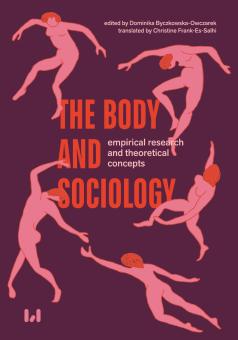
The Body and Sociology
Pliki do pobrania
The chapter introduces the reader to the topic of sociology of the body in the Polish context, taking into account various theoretical and methodological perspectives. It presents the topics of the chapters contained in the subsequent parts of the book, and also presents the achievements of researchers and scholars whose work had the greatest influence on the development of sociological reflection on the human body, as well as on the creation of the subdiscipline of sociology of the body. They include Descartes, Pierre Bourdieu, Michel Foucault, Norbert Elias, Erving Goffman, Anthony Giddens, Zygmunt Bauman, as well as representatives of other sciences: Marcel Mauss, Maurice Merleau-Ponty, Helmut Plessner, Mary Douglas, Naomi Wolf, Richard Shusterman, and feminist researchers. The chapter also presents contemporary concepts within the sociology of the body and the achievements of researchers in both global and Polish sociology.
Dr. hab. Dominika Byczkowska-Owczarek – assistant professor at the Department of Sociology of Culture at the Institute of Sociology, University of Lodz. Author of the books Ciało w tańcu. Analiza socjologiczna [Body in dance. Sociological analysis], Batutą i skalpelem. Ciało w zawodach wysokospecjalistycznych [With baton and scalpel. Body in highly specialized professions], co-author of the monograph Za drzwiami oddziału. Badania etnograficzne w szpitalu [Behind the ward’s door. Ethnographic research in a hospital]. Author of articles on sociology of the body, dance, work, symbolic interactionism, grounded theory methodology, and qualitative social research techniques published, among others, in “Studia Socjologiczne,” “Qualitative Sociology Review,” “Przegląd Socjologii Jakościowej,” as well as Polish- and English-language books. Chairwoman of the Sociology of the Body Section of the Polish Sociological Association.
Licencja

Utwór dostępny jest na licencji Creative Commons Uznanie autorstwa – Użycie niekomercyjne – Bez utworów zależnych 4.0 Międzynarodowe.
Jak cytować
Dyscypliny
- Archeologia
- Bibliologia i informatologia
- Biologia
- Chemia
- Ekonomia i zarządzanie
- Etnologia i antropologia kulturowa
- Filologia polska
- Filologie obce
- Filozofia
- Fizyka
- Geografia
- Historia
- Językoznawstwo
- Judaica
- Kultura i sztuka
- Literaturoznawstwo
- Matematyka
- Pedagogika
- Podręczniki dla cudzoziemców
- Politologia i stosunki międzynarodowe
- Prawo
- Psychologia
- Socjologia
- Varia
- Otwarty dostęp
Seria
- 100 lat niepodległości
- Akademia Samorządowa
- Akademia Zarządzania i Finansów
- Aktywni (nie)pełnosprawni
- Analecta Literackie i Językowe
- Bałkany XX/XXI
- Bibliotheca Litteraria
- Bibliotheca Philosophica
- Biografia i Badanie Biografii
- Byzantina Lodziensia
- Contemporary Asian Studies Series
- Cyfryzacja
- Edukacja dla Mądrości
- Ekonomia
- Filmo!znawcy
- Finanse
- Gerontologia
- Interdyscyplinarne Studia Miejskie
- Interpretacje Literackie
- Jerzy Giedroyc i…
- Jerzy Giedroyc i Świadkowie Historii
- Jesień Życia?
- Językoznawstwo
- Judaica Łódzkie
- Jurysprudencja
- Kim Jest Człowiek?
- Kognitywistyka
- Komunikacja i Media
- Krótkie Wprowadzenie
- Kultura Literacka Łodzi
- Literaturoznawstwo. Sylwetki
- Łódzkie Studia z Językoznawstwa Angielskiego i Ogólnego
- Łódź w PRL. PRL w Łodzi
- Manufactura Hispánica Lodziense
- Marketing
- Monografie Sekcji Socjologii Niepełnosprawności PTS
- Nauka Sztuki – Sztuka Nauki
- Neuronauka w psychologii
- Oblicza feminizmu
- Oblicza wojny
- Perspektywy Biograficzne
- Politologia
- Polska a Europa Środkowo-Wschodnia w XX wieku
- Polska Kultura Filmowa
- Prawo
- PRL. Biografie
- Projekt: Egzystencja i Literatura
- Psychologia Wszystkiego
- Research on Science & Natural Philosophy
- Romanistyka dla Teatru
- Series Ceranea
- Stała Konferencja Pedagogiki Społecznej pod Patronatem Komitetu Nauk Pedagogicznych PAN
- Sztuka-Media-Kultura
- Terapia Pedagogiczna
- Twórczość i Edukacja
- Vade Nobiscum
- Warsztaty z Geografii Turyzmu
- Wczesna Edukacja
- W poszukiwaniu idei XXI wieku
- W Wieży Babel po polsku
- Zarządzanie
- Życie prywatne Polaków w XIX wieku